Why do ants prefer moist areas like bathrooms over dry spaces?
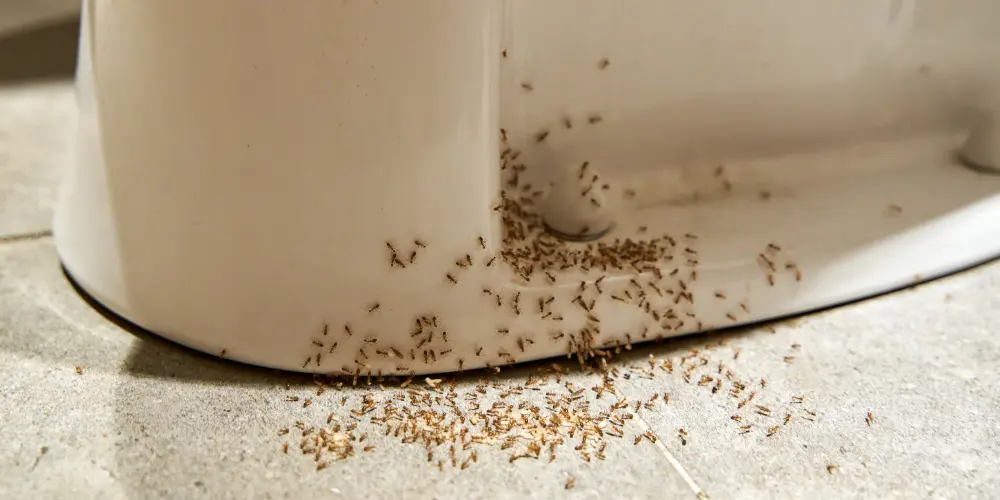
Ants are a common nuisance in many homes, and their presence is often most noticeable in bathrooms and other damp areas. Homeowners frequently wonder why these tiny insects seem to favor moist environments over dry ones. The answer lies in the unique needs and behaviors of ants, which are driven by their search for water, food, and suitable nesting sites. Bathrooms, with their constant supply of moisture and hidden crevices, provide an ideal habitat for ants to thrive. Understanding the reasons behind this preference can help in developing effective strategies to keep ants at bay and maintain a clean, pest-free home.
Why ants love damp environments
The role of moisture in ant survival
Moisture is a critical factor in the survival and daily activities of ants. Like all living creatures, ants require water to live, but their small size makes them particularly vulnerable to dehydration. Bathrooms and other damp areas offer a consistent source of water, whether from leaky pipes, condensation, or standing water in sinks and tubs. This abundance of moisture not only quenches their thirst but also helps regulate the humidity levels within their colonies. Ants are highly sensitive to changes in their environment, and dry conditions can quickly become life-threatening. In search of a stable and reliable water source, ants are naturally drawn to places where moisture is readily available. The presence of water also makes it easier for ants to digest food and care for their young, further reinforcing their preference for moist habitats. As a result, bathrooms become hotspots for ant activity, especially during dry spells when water is scarce elsewhere in the home.
Bathrooms as ideal nesting sites
Bathrooms provide more than just water for ants; they also offer a variety of hidden spaces that are perfect for nesting. The cracks and crevices around tiles, under sinks, and behind walls create sheltered environments where ants can build their colonies undisturbed. These areas are often warm and humid, which is ideal for the development of ant larvae and the overall health of the colony. The combination of moisture and shelter makes bathrooms particularly attractive to ants looking to establish a new nest. Additionally, bathrooms are less likely to be disturbed by human activity compared to kitchens or living rooms, allowing ants to go about their business with minimal interference. The presence of organic debris, such as hair, soap residue, and even traces of food, can provide additional sustenance for ants, making bathrooms a one-stop shop for all their needs. For homeowners seeking ant control Overland Control, understanding these nesting preferences is crucial for targeting the right areas during treatment and prevention efforts.
How ants find their way into bathrooms
Ants are highly skilled at locating sources of moisture and food, thanks to their sophisticated communication systems. When a scout ant discovers a promising area, such as a damp bathroom, it leaves behind a trail of pheromones that guides other members of the colony to the site. This chemical signaling allows ants to quickly mobilize and exploit new resources. Bathrooms, with their frequent water usage and hidden entry points, are especially vulnerable to these scouting expeditions. Tiny gaps around plumbing fixtures, vents, and windows provide easy access for ants to enter and exit as they please. Once inside, ants can rapidly establish a presence, often going unnoticed until their numbers become significant. The ability of ants to adapt to changing conditions and exploit even the smallest opportunities makes them formidable invaders. Homeowners may notice increased ant activity after heavy rains or plumbing leaks, as these events create even more favorable conditions for ants to thrive.
The impact of humidity on ant behavior
Humidity plays a significant role in shaping the behavior and distribution of ants within a home. High humidity levels, such as those found in bathrooms, help prevent ants from drying out and support the growth of their colonies. Ants are more likely to be active and visible in areas where the air is moist, as this environment allows them to forage for food and water without the risk of dehydration. In contrast, dry spaces can be inhospitable, forcing ants to seek out more favorable conditions elsewhere. The presence of humidity also affects the types of ants that are likely to invade a home. Some species, such as the odorous house ant and the pharaoh ant, are particularly attracted to moist environments and are commonly found in bathrooms and kitchens. By understanding the relationship between humidity and ant behavior, homeowners can take proactive steps to reduce moisture levels and make their homes less inviting to these persistent pests.
Quick facts about ant infestations
Ant infestations in bathrooms can develop rapidly due to the constant availability of water and shelter. Even a small leak or a damp towel left on the floor can attract ants and encourage them to establish a colony nearby. Regular cleaning and prompt repair of plumbing issues are essential for preventing ant problems in these areas. Sealing cracks and gaps around fixtures can also help block entry points and reduce the likelihood of an infestation taking hold.
Preventing ants in moist areas
Preventing ants from invading bathrooms and other moist areas requires a combination of good hygiene practices and home maintenance. Regularly cleaning surfaces to remove food residues, soap scum, and organic debris can eliminate potential food sources that attract ants. Addressing plumbing leaks and ensuring proper ventilation can help reduce moisture levels, making the environment less hospitable for ants. Sealing entry points around pipes, windows, and doors can further limit access and discourage ants from entering the home. In some cases, it may be necessary to use targeted treatments to eliminate existing colonies and prevent future infestations. By focusing on both moisture control and exclusion methods, homeowners can significantly reduce the risk of ant problems in bathrooms and other damp spaces. Consistent efforts to maintain a dry and clean environment are key to keeping ants at bay and ensuring a comfortable living space.
Conclusion
Ants are naturally drawn to moist areas like bathrooms because these environments provide the essential resources they need to survive and thrive. The combination of water, shelter, and occasional food sources makes bathrooms an ideal habitat for many ant species. Understanding the factors that attract ants to these spaces is the first step in preventing infestations and maintaining a pest-free home. By addressing moisture issues, sealing entry points, and practicing good hygiene, homeowners can make their bathrooms less appealing to ants and reduce the likelihood of recurring problems. Taking proactive measures not only helps control ant populations but also contributes to a healthier and more comfortable living environment for everyone in the household.