
Why CPR Training Is A Skill Everyone Should Consider Learning
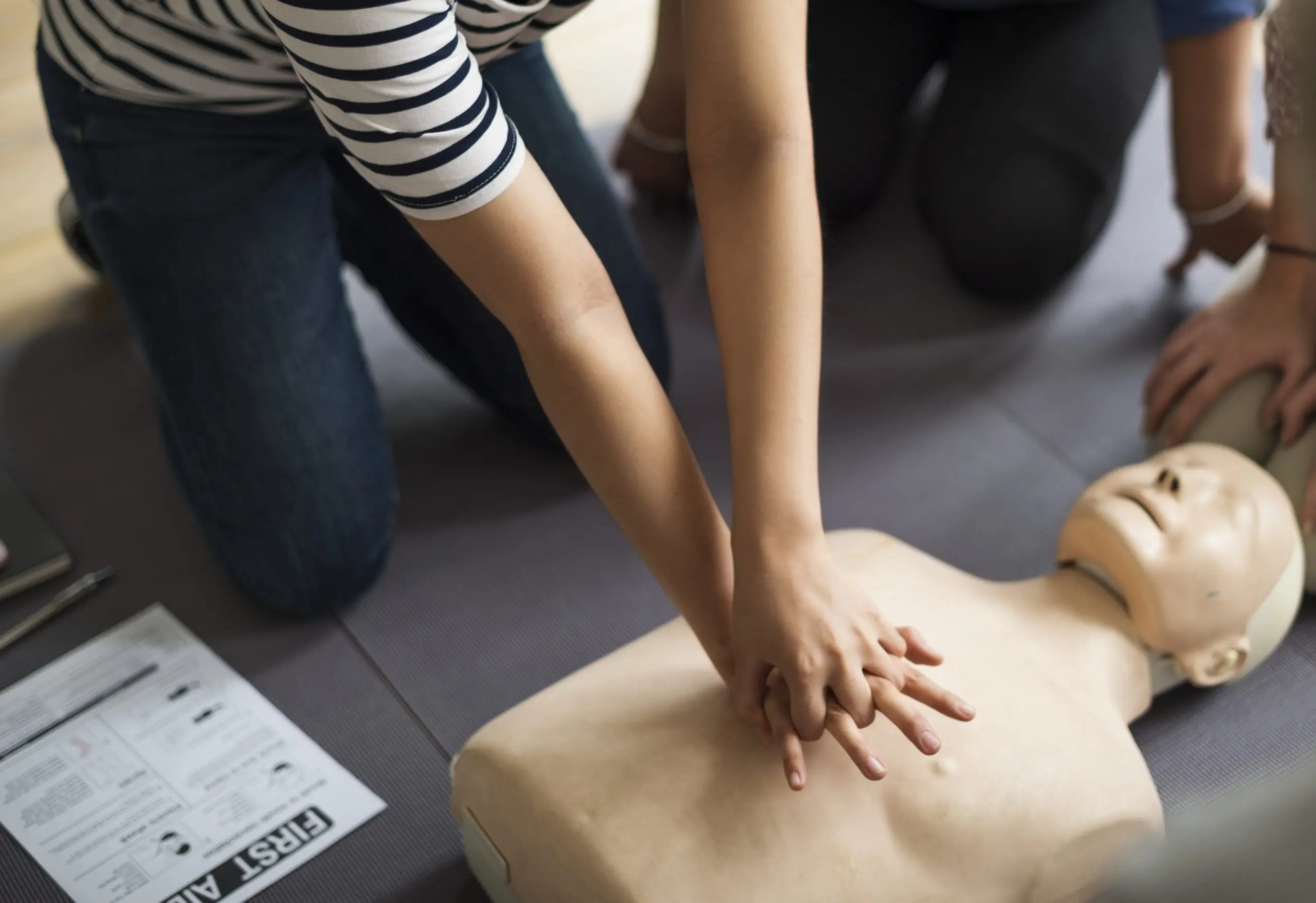
Medical crises may occur anywhere, at any time. Being able to act fast may have a big impact on how an emergency scenario turns out, whether it’s at home, at work, in a public place, or at school. CPR training is one of the most important life skills that anyone can learn. Learning cardiopulmonary resuscitation gives people useful skills that may help them stay alive until medical aid comes.
More individuals are realising the value of CPR training as communities prioritise health and safety. It’s not simply a talent for medical professionals. Knowing how to react in emergency circumstances may help parents, educators, office workers, students, and retirees.
Learning CPR Can Help Save Lives
The ability of CPR to save lives is one of the main reasons individuals should think about learning it. Sudden and unplanned cardiac arrest may happen. The brain and other essential organs no longer get oxygen when the heart stops pumping efficiently. The chances of survival may be greatly increased with prompt intervention.
Until emergency personnel arrive, CPR offers a means of keeping blood flowing. A few minutes of help may have a significant impact. People who have received CPR training are better equipped to respond with assurance when every second counts.
Developing Self-Belief In Emergency Situations
When confronted with an emergency, many individuals freeze or panic. Uncertainty about what to do might aggravate the situation and cause relief to be delayed. By giving participants precise and useful procedures to follow, CPR training helps eliminate that ambiguity.
Learners gain familiarity with emergency protocols via guided education and practical experience. This preparation often boosts self-assurance and lessens hesitancy. While waiting for expert medical assistance, skilled folks may take useful action rather than feeling powerless.
In order to assist learners in feeling ready for real-world crises, programs related to Canberra first aid education usually have an emphasis on both technical skills and confidence development.
Useful In Daily Situations
Healthcare facilities and hospitals are not the only places where emergencies may occur. They may happen in homes, places of employment, athletic activities, retail malls, and educational institutions. CPR training is thus beneficial in almost every facet of everyday life.
When a kid has a medical emergency, parents may need to help them. Situations affecting students may arise for educators and childcare providers. Workers could see a colleague have an unexpected cardiac episode. The possibility of a timely reaction is increased when trained personnel are present in these settings.
CPR training is often combined with more general emergency response information in a top-notch first aid course Canberra curriculum, resulting in a more thorough awareness of health and safety.
Encouraging Community Readiness
When more people have life-saving skills, communities become stronger. In an emergency, each trained individual is a potential responder. This shared readiness may enhance results and promote a safety-conscious culture.
Because CPR instruction is beneficial to everyone, it is often promoted by local groups, schools, sports teams, and community organisations. The likelihood that someone nearby can help when required increases with the number of persons who are familiar with emergency response tactics.
Because they know they can assist others in trying times, many participants who get a first aid certificate Canberra that they feel more a part of their communities.
A Capability To Supplement First Aid Knowledge
General first aid education and CPR training go hand in hand. While first aid treats a variety of wounds and illnesses, CPR concentrates on preserving breathing and circulation in life-threatening situations.
When combined, these abilities provide a solid basis for emergency readiness. People who are familiar with both CPR and first aid are often better able to evaluate circumstances, provide support, and assist sick or wounded people until medical help comes.
For families, companies, educational institutions, and community organisations, training programs are particularly beneficial because of this mix of expertise.
In Conclusion
There is much more to CPR training than just a certification course. It is a useful life skill that enables people to react appropriately in emergency situations. The advantages of learning CPR go far beyond the classroom, from enhancing survival rates to boosting self-esteem.
Learning CPR is an investment in readiness, whether for community service, professional safety, or personal development. The information acquired may possibly save lives, protect loved ones, and assist coworkers. These factors make CPR training a skill that everyone should think about acquiring.