How Feed Mill Commissioning Is Managed on International Projects
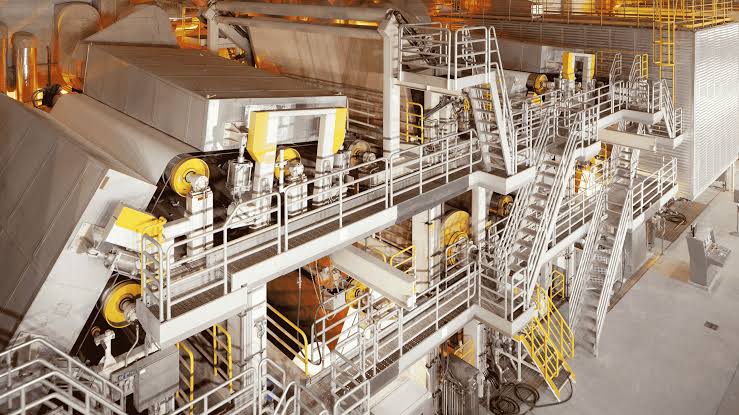
Successful commissioning depends on much more than switching machinery on after installation. International feed projects bring together equipment delivery, local contractors, mechanical inspection, operator training, process trials, and acceptance requirements across different working environments. A well-planned feed milling machine commissioning process connects technical preparation with site coordination from the earliest project stage. FAMSUN’s experience with feed production systems shows how commissioning can be organized around measurable project requirements rather than last-minute adjustments.
Preparing Logistics Before Site Arrival
International projects often involve long transportation routes, customs procedures, local storage, and several parties working under different schedules. Equipment should be checked against packing lists, shipping documents, installation drawings, and site requirements before departure.
Clear identification of major assemblies is particularly useful when multiple containers arrive at different times. Missing fasteners, damaged components, or incorrect electrical parts can delay installation even if the main machinery has reached the site.
Project teams can also prepare a commissioning schedule around delivery milestones. A feed machine should not be treated as an isolated item because conveyors, electrical systems, dust collection, dosing units, and downstream equipment may all influence the sequence of startup.
Coordinating Local Teams And Contractors
Communication is a technical issue once several organizations share responsibility for installation. Local contractors may handle civil work, electrical connections, piping, lifting, or mechanical assembly, while the equipment supplier provides specialized guidance.
Responsibilities should be assigned before commissioning begins. Installation drawings, interface dimensions, cable specifications, lubrication requirements, and inspection points can be reviewed jointly so that uncertainties are addressed before energization.
Language differences also deserve attention. Checklists, marked-up drawings, photographs, and standardized inspection records can reduce misunderstandings during field work. Such coordination gives the feed milling machine installation process a clearer reference point and makes unresolved items easier to track.
Conducting Mechanical And Electrical Checks
Mechanical inspection normally begins with basic alignment, fastening, lubrication, guards, rotating components, and transmission systems. Abnormal resistance or vibration during manual checks can indicate installation issues that should be addressed before powered operation.
Electrical verification follows a similarly structured path. Motor rotation, grounding, sensor connections, control-panel wiring, emergency-stop functions, and interlocks should be checked against approved documentation rather than assumed to be correct.
Trial operation can then progress from individual components toward interconnected systems. For the feed machine, this staged approach helps distinguish equipment-specific problems from issues caused by upstream or downstream interfaces.
Managing Process Trials
Commissioning does not end with an empty-load test. Feed production requires controlled trials using representative materials, operating parameters, and expected production sequences.
Relevant indicators may include throughput, motor load, temperature, vibration, pellet quality, dosing consistency, and material flow. Results should be recorded against predefined acceptance ranges so that adjustments can be evaluated objectively.
Commissioning trials also depend on product type. FAMSUN’s K Series Pig and Poultry Pellet Mill, for example, is configured for piglet feed, fattening pig feed at different growth stages, and conventional poultry formulations. These different product categories require different trial conditions, so test planning should reflect the actual product range expected at the site.
Defining Acceptance Criteria
Acceptance criteria should be established before performance testing begins. Capacity, product quality, power consumption, control functions, safety devices, and auxiliary-system performance may all form part of the agreed evaluation framework.
Different criteria require different evidence. Capacity can be assessed through production records, while safety functions may require documented functional tests. Mechanical condition may be supported through inspection reports, whereas product quality requires laboratory or production data.
A clear punch-list system can separate critical defects from minor adjustments. Once corrective work is performed, retesting should focus specifically on the affected requirement. This approach gives the feed milling machine commissioning record a traceable connection between findings, corrective actions, and final acceptance.
Building A Reliable Handover Process
Handover represents the transition from project installation to routine plant operation. Documentation should include equipment manuals, electrical drawings, spare-parts information, maintenance schedules, test results, calibration records, and outstanding-item status.
Operator training also belongs within this stage. Personnel should understand startup and shutdown sequences, routine inspections, alarm responses, lubrication points, cleaning requirements, and basic troubleshooting procedures.
A practical handover package allows the local team to operate the feed machine without depending entirely on temporary commissioning personnel. Follow-up support can then focus on production optimization and unresolved technical questions rather than basic operating knowledge.
Conclusion
International commissioning works best as a structured progression from logistics preparation to installation, testing, acceptance, and operational handover. Each stage contributes different evidence, and weaknesses in one phase can create delays during later testing.
Technical performance remains important, but project coordination has equal practical value. Defined responsibilities, documented inspection points, realistic trial conditions, and measurable acceptance criteria create a stronger basis for final approval. FAMSUN equipment, including the K Series, is best evaluated within this broader framework—where feed milling machine commissioning is part of a coordinated project process, not a single startup event.