Enhancing Guest Experience: How Artificial Trees Transform Hotel And Hospitality Spaces
Why Greenery Matters So Much In Hospitality Design
When guests arrive at a hotel, their first impressions are shaped not only by service but by the visual cues embedded in the environment. Greenery—whether real or artificial—has a profound impact on how welcoming and relaxing a space feels. Environmental psychology suggests that natural elements help to lower stress and elevate mood, which aligns perfectly with contemporary guest expectations. However, maintaining live plants throughout a hotel presents practical challenges, especially in areas with minimal sunlight, heavy foot traffic, or demanding climate conditions. Artificial trees have emerged as a preferred solution, enabling designers to inject biophilic elements into lobbies, corridors, and social areas without worrying about plant health. These installations offer both consistency and flexibility, supporting cohesive aesthetics and a reliable sense of ambiance year-round.
Designing Memorable Spaces With Artificial Trees
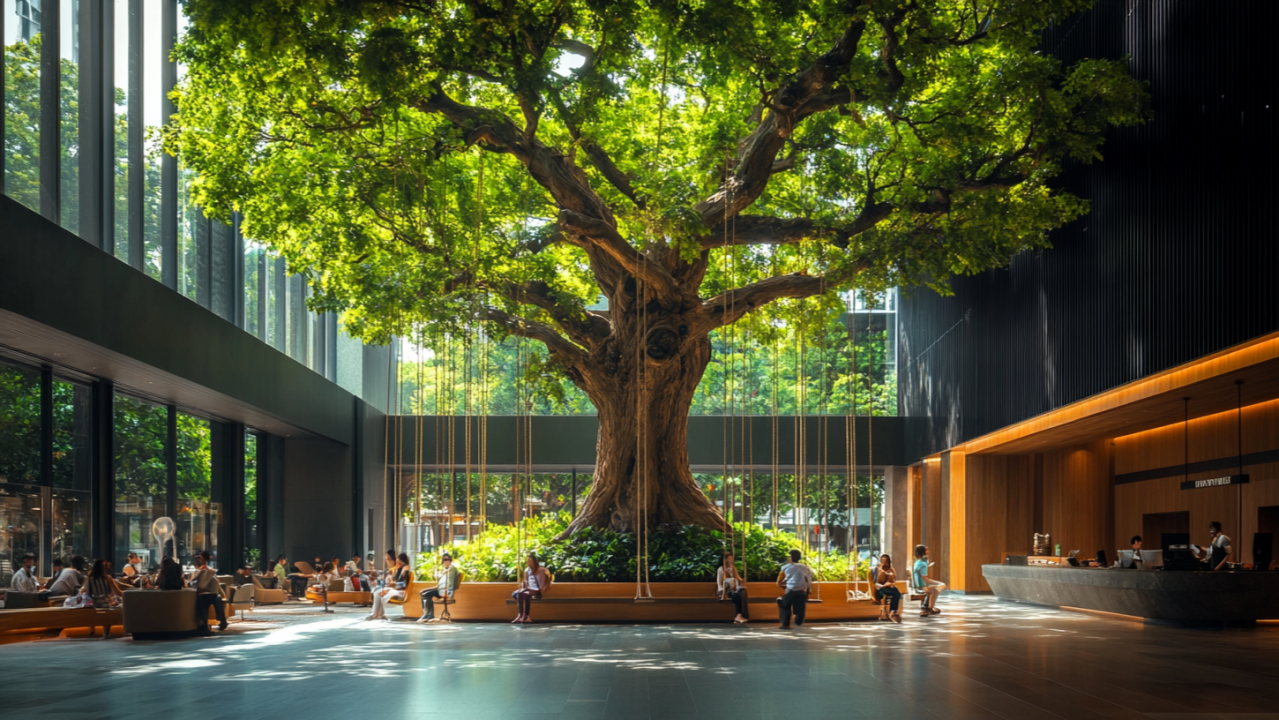
Hospitality artificial trees are increasingly being used as integral parts of spatial planning, not just decorative accessories. In expansive hotel lobbies, for example, soaring artificial trees can anchor the layout, subtly guiding guests through large open areas and segmenting them into cozy pockets for conversation. Restaurants and lounge spaces benefit from artificial greenery that defines seating arrangements, provides a comforting sense of privacy, and introduces soft visual breaks that enhance the overall experience. By layering various sizes and styles of trees and planters, designers can evoke the tranquility of an indoor garden, even in urban hotels surrounded by concrete and glass. The permanence and durability of artificial trees also ensure design consistency, which is crucial for hospitality brands wishing to reproduce signature looks across multiple locations. Their immunity to seasonal changes allows the core aesthetic to remain flawless and up-to-date throughout the year.
Practical Advantages For Operations And Maintenance
For hotel operators, incorporating greenery must balance visual appeal with operational efficiency. Living plants need regular watering, specialized care, and a suitable environment to thrive—requirements that are difficult to maintain in high-traffic spaces. In contrast, artificial trees require minimal upkeep, offering a visually lush look without ongoing labor or replacement costs. This is a significant advantage in properties that operate around the clock or serve diverse climates, such as airport hotels and casino resorts. Maintenance teams can concentrate on crucial elements like cleanliness and lighting, confident that the greenery will always look vibrant. When it comes to sourcing hospitality artificial trees specifically designed for hotels, managers and designers can count on durable fabrication and safety features such as fire resistance. This practical approach streamlines facility management and ensures seamless guest experiences.
Supporting Brand Storytelling And Guest Engagement
Artificial trees provide more than just visual enhancement; they offer creative opportunities for storytelling and guest engagement. Hotels can select species and arrangements that echo their overarching themes: a coastal property might choose airy citrus trees, while an upscale urban retreat could prefer sculptural, dramatic silhouettes. These installations serve as environmental cues that communicate brand values—whether it’s serenity, energy, or sophistication. Guests naturally gravitate toward lush, photogenic settings for relaxation or social media sharing, allowing design choices to organically amplify word-of-mouth recommendations. Incorporating carefully placed seating around artificial trees and thoughtful lighting are strategies that foster both group gatherings and moments of respite. The result is a lively yet calming environment where guests feel encouraged to linger, return, and share their positive impressions with others.