
How Digital Transformation Is Reshaping Feed Mill Operations
Digital technologies are changing how feed manufacturers manage production, equipment, and operational data. Modern factories use connected systems to improve visibility across different processes. ERP, MES, SCADA, and OEE platforms create a digital framework that helps companies monitor performance and improve daily feed mill management.
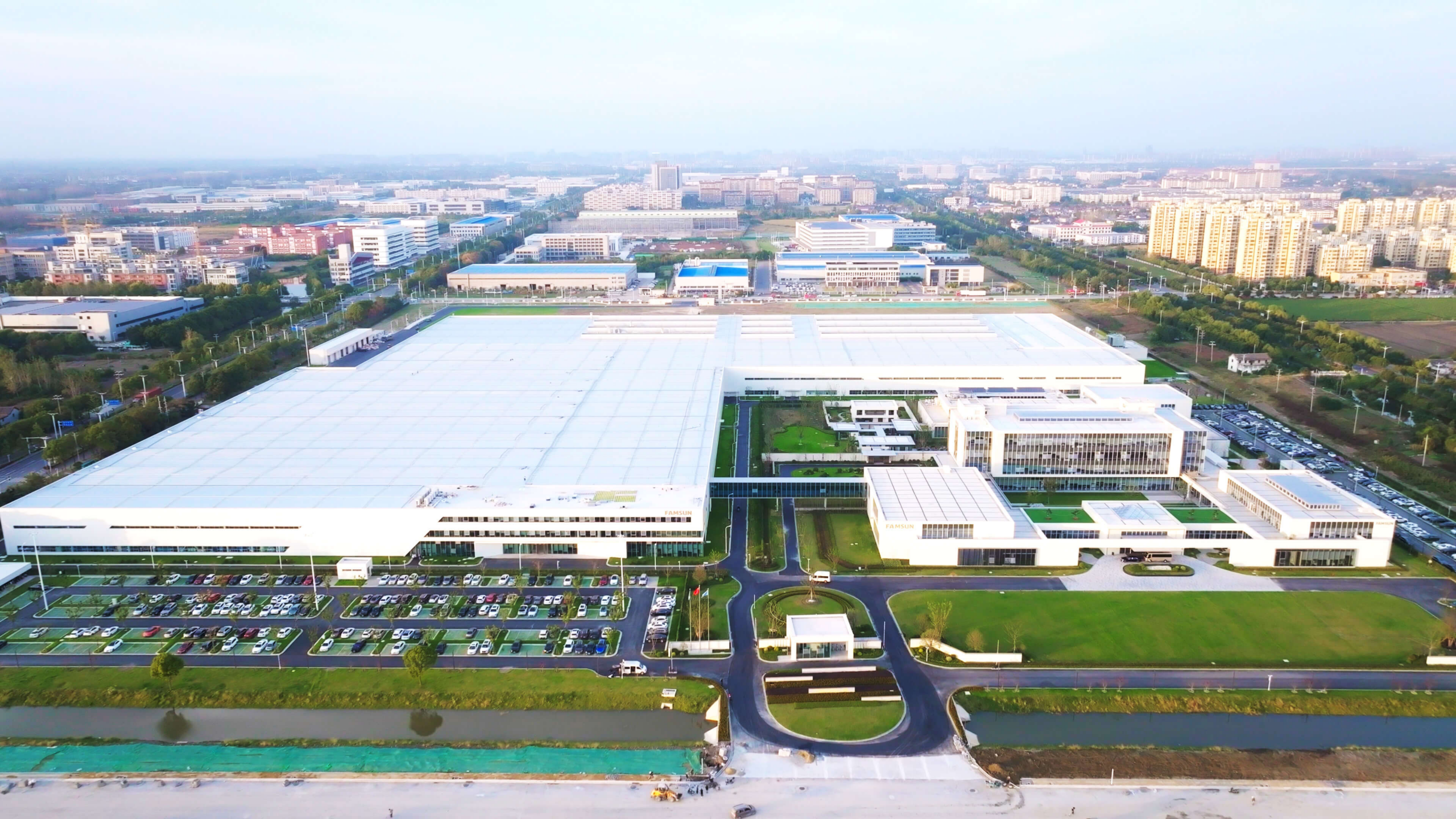
Four Digital Layers In Modern Feed Mill Management
A complete digital system connects business planning, production execution, equipment monitoring, and performance analysis. These four layers provide different functions while working together to create a more organized production environment with better access to operational information.
ERP systems support business-level management by organizing resources, production planning, and operational information. They provide companies with structured data for managing materials, schedules, and production requirements while creating connections between business activities and factory operations.
MES platforms focus on production execution and process management. They help factories collect manufacturing information, monitor production progress, and coordinate different processing stages. This supports more efficient management of production activities throughout daily feed manufacturing operations.
A feed machine connected with digital systems can provide valuable information for production monitoring. Equipment data helps companies review operating conditions, analyze performance, and improve communication between production teams and management through accurate operational records.
SCADA Systems Improve Equipment Monitoring
SCADA systems provide real-time monitoring and control functions for industrial equipment. They collect information from different machines and display operating conditions through centralized interfaces, allowing operators to review equipment status and respond to process changes.
Monitoring critical operating indicators allows production teams to maintain process stability and identify abnormal conditions before they affect manufacturing performance. These functions help operators maintain stable processing conditions and identify possible issues during production. Real-time information improves factory visibility and supports more effective equipment management.
Modern animal feed production requires accurate control of multiple processing stages. Digital monitoring systems allow manufacturers to review production conditions from receiving and processing areas to final output. This connection supports consistent operations and better management of complex manufacturing processes.
FAMSUN combines feed processing expertise with digital manufacturing approaches to help enterprises improve production coordination, equipment management, and operational decision-making. Their solutions help manufacturers improve operational management through connected equipment and digital production approaches.
OEE Dashboards Support Performance Analysis
OEE dashboards help managers evaluate production effectiveness by analyzing equipment utilization, operational losses, and quality performance indicators. These measurements help factory managers evaluate how effectively production systems operate and identify areas where improvements may support better efficiency.
Digital performance analysis allows companies to review production results using real-time and historical information. By monitoring key indicators, manufacturers can identify operational changes and develop improvement plans based on actual factory performance.
Feed equipment integrated with digital monitoring platforms can provide detailed operating information for performance evaluation. Data from equipment helps production teams understand machine conditions, reduce unexpected interruptions, and maintain more stable manufacturing processes.
OEE information also supports communication between different departments. Production managers, maintenance teams, and technical personnel can review the same operational data, allowing them to coordinate activities and address production challenges more effectively.
Digital Technologies Improve Animal Feed Production Efficiency
Digital transformation supports animal feed production by connecting different systems across the manufacturing process. Data from ERP, MES, SCADA, and OEE platforms provides a complete view of production activities and helps companies manage resources more efficiently. These four digital layers work from business planning to production execution, equipment monitoring, and performance evaluation, creating a connected management framework for modern feed mills.
Automation and data integration reduce information gaps between business planning and factory operations. Companies can review production schedules, equipment conditions, and performance results through connected platforms, creating better coordination between management decisions and manufacturing activities.
FAMSUN develops processing solutions that combine equipment technologies with engineering services. They provide support for feed manufacturers requiring efficient production systems and improved operational visibility. Their approach helps companies apply suitable technologies according to factory conditions and production requirements.
Digital management also helps companies maintain consistent product quality. Monitoring production information allows operators to review process conditions and make adjustments when needed. This supports reliable manufacturing performance across different feed production applications.
Future Development Of Smart Feed Mills
Smart feed mills require effective integration between digital systems and production equipment. Companies need to evaluate their operational goals, data requirements, and factory conditions before applying digital technologies to achieve practical results.
Connected systems provide long-term value by creating continuous access to production information. Manufacturers can analyze operational trends, review equipment performance, and improve maintenance planning through accurate data collected from different factory areas.
Animal feed production facilities benefit from digital tools because they support better resource management and operational control. Data-based decisions help companies improve production planning, reduce inefficiencies, and maintain stable performance across changing production demands.
FAMSUN works with global feed enterprises through integrated engineering solutions and processing technologies. They help companies organize digital production systems supported by practical equipment knowledge and industrial experience. Their solutions assist manufacturers in improving factory management through connected technologies.
Conclusion
The adoption of digital technologies is helping feed manufacturers improve operational visibility, production coordination, and long-term management efficiency. These four digital layers help manufacturers connect business management, production control, equipment monitoring, and performance analysis for more efficient factory operations.
FAMSUN supports feed manufacturers with integrated solutions that combine engineering capabilities and processing technologies. They help companies improve production visibility and operational control through suitable digital approaches. Connected systems combined with reliable equipment provide a foundation for smarter feed manufacturing processes.