
Tempeh Nutrition Facts: What’s Really in a Block of Tempeh
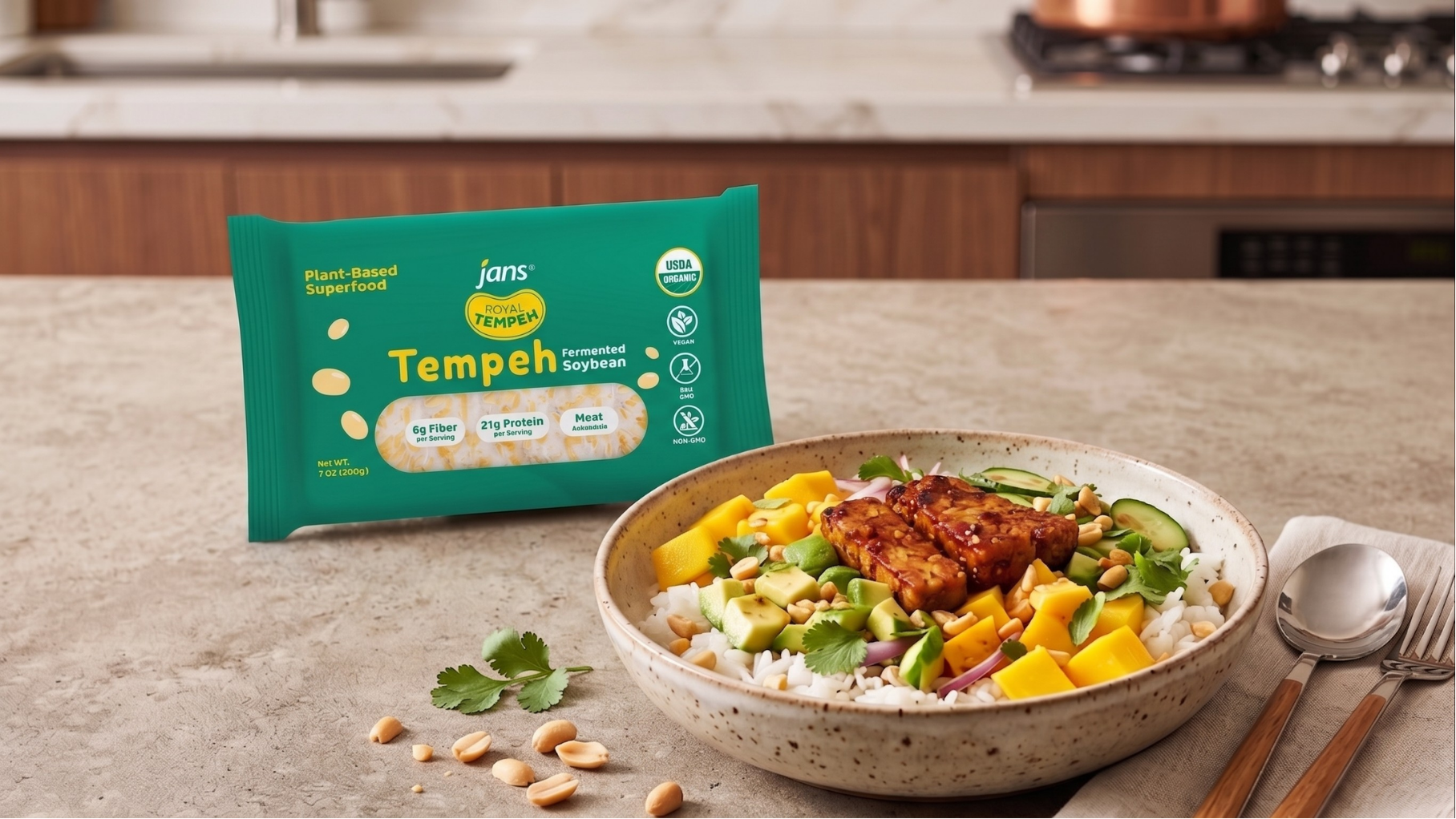
Most people who reach for tempeh already know it’s a plant-based protein. What they don’t always know is how much is actually happening inside that compact, fermented block. Once you understand the science, even briefly, you start to see tempeh differently.
What Is Tempeh and Why Does Fermentation Matter
How Tempeh Is Made from Whole Soybeans
So, what is tempeh made of? At its core, tempeh begins with whole soybeans that are cooked, inoculated with a live mold culture called Rhizopus oligosporus, and then incubated until the mycelium binds the beans into a firm, dense cake. Unlike many processed soy products, the whole bean stays intact. That matters more than most people realize.
Why Fermentation Changes the Nutritional Picture
Fermentation is not just a preservation method. It is a transformation. During the fermentation process, naturally occurring compounds called phytates, which can interfere with mineral absorption, are significantly reduced. Enzymes break down complex structures, making the nutrients inside easier for your body to actually use. The result is a food that is more bioavailable than its raw ingredients, not just nutritionally rich on paper but nutritionally accessible in practice.
Breaking Down the Tempeh Nutrition Facts Per Serving
Protein, Fiber, and Macronutrients at a Glance
The tempeh nutrition facts that tend to surprise people most are the protein numbers. A single serving of a Royal Tempeh block delivers 21 grams of plant-based protein. That puts it in a category typically reserved for animal proteins. For anyone building meals around non-meat sources, that density is genuinely significant.
Tempeh is also a good source of dietary fiber, which supports digestive regularity and helps you feel satisfied after meals. The firm texture holds up well to grilling, sauteing, and baking, making it one of the most versatile meat substitutes available.
Micronutrients You Might Not Expect
Beyond tempeh protein and fiber, the nutritional value of tempeh includes meaningful amounts of manganese, phosphorus, magnesium, and B vitamins. These are nutrients that often get overlooked in plant-based eating but are genuinely important for energy metabolism and bone health.
| Nutrient | Why It Matters | Found in Tempeh |
| Protein | Muscle repair and satiety | 21g per serving |
| Dietary Fiber | Digestive support | Good source |
| Manganese | Bone and metabolic function | Yes |
| B Vitamins | Energy metabolism | Yes |
Organic Tempeh vs Conventional Tempeh
How Soybean Quality Affects Nutritional Value
Not all tempeh starts from the same place. Conventional soybeans are often grown with synthetic pesticides and may come from genetically modified sources. The starting ingredient shapes everything that follows, including what ends up in the finished block.
Why the USDA Organic Certification Matters
When a product carries USDA Organic certification, it means the soybeans were grown without synthetic fertilizers or prohibited pesticides and are non-GMO verified. Royal Tempeh’s organic tempeh meets this standard, giving consumers a cleaner starting point and greater confidence in what they’re eating. For households prioritizing food quality, that certification is not a marketing label. It is a documented standard with real requirements behind it.
Tempeh and Gut Health: What the Fermentation Delivers
Tempeh Probiotics vs Other Fermented Foods
Fermented foods are increasingly recognized for their role in supporting gut health. Tempeh contributes to this picture. While the cooking process affects live culture counts, fermentation still produces beneficial byproducts and partially digested compounds that are gentler on the digestive system than unfermented soy.
Bioavailability and Nutrient Absorption Benefits
The reduction of antinutrients during fermentation means your body can absorb more of the iron, zinc, and calcium present in tempeh compared to unfermented soy products. This is one of the clearest ways tempeh nutrition outperforms many alternatives in the plant-based space.
If you are looking for where you can buy tempeh from trusted distributors, Jans Food USA connects retailers and food distributors with quality Asian food products, including Royal Tempeh, making it a practical resource for wholesale purchasing.
Frequently Asked Questions
How much protein is in a single serving of a Royal Tempeh block?
Each serving of a Royal Tempeh block contains 21 grams of plant-based protein, making it one of the most protein-dense options in the plant-based category.
Is tempeh considered a complete protein source for plant-based diets?
Tempeh contains all essential amino acids, making it a complete protein. This is one reason it performs well as a meat substitute in plant-based diets.
How does organic tempeh differ nutritionally from conventional tempeh?
Organic tempeh starts with soybeans grown without synthetic pesticides or GMO practices. This improves the overall quality of the starting ingredient and reduces unwanted residue in the finished product.
Where can retailers or distributors find wholesale purchasing options for Royal Tempeh products?
Retailers and asian food distributors can explore wholesale options through Jans Food USA, a food distributor that carries Royal Tempeh and other specialty products.
What makes the nutritional value of tempeh different from other soy-based foods like tofu?
Unlike tofu, tempeh is made from whole soybeans and is fermented, which preserves fiber, increases bioavailability, and delivers more protein per serving.