What Every Rider Should Know After a Motorcycle Accident in Washington, DC
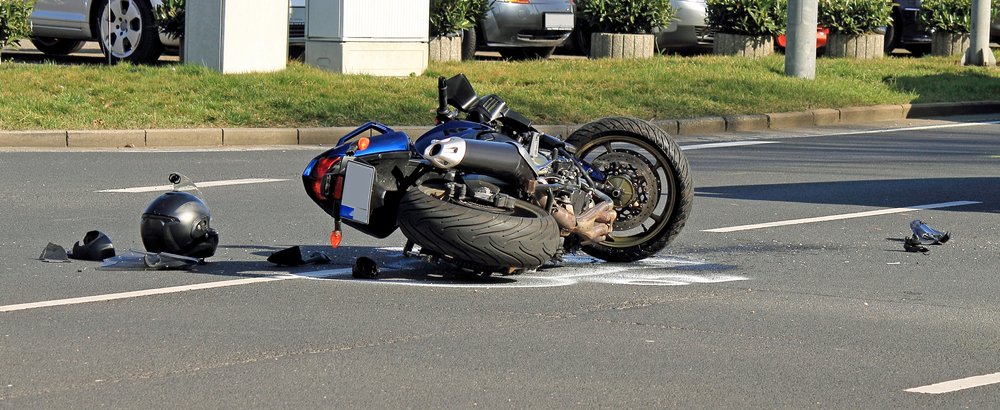
A motorcycle crash may change your life in a moment. One minute you’re driving along the D.C. traffic. Next you are on the concrete, injured and not knowing what’s next. The first steps after a crash count. Your health is the top priority, but your legal rights equally matter. Medical records, images, witness info, and other data can be vital later on. What should a rider do following a motorbike collision in Washington, DC? Here is a basic guide.
Medical Assistance Call First
Your health first following a crash. If you’re harmed, call for medical treatment. Even if the discomfort appears little, have yourself checked out by a competent medical professional. Some injuries don’t have obvious indicators immediately away. You may not see head, neck, back or internal injuries right away. A medical visit also documents the harm you suffered. That record could be significant if you subsequently try to get money for your losses. Don’t rule out pain just because you feel OK at first. You’ve just received a hard blow to your body.
Report the Crash
Notify the right authorities of the accident. Report the Accident. A police report can give you vital information about the accident. It could also include the location, the cars involved, the names of witnesses and comments from individuals at the scene. Be honest when talking to officers. Keep in your lane. Never guess on speed, distance or fault: You may have missed some of what went on.
Collect Evidence While You Can
The crash scene can alter fast. If you are safe and able to do so, take pictures of the road, vehicles, damage, traffic signs and your injuries. Try to see the scene from a different perspective. Get the names and contact details of anyone who saw the crash. Witnesses can remember stuff you didn’t see. Keep track of your medical care, expenses, lost time from work and other charges. These nuances may seem like little potatoes. Later they can help demonstrate how the accident has changed your life.
Watch Out For Insurance Companies
After a crash, you may be contacted by an insurance adjuster. Someone can ask you what occurred or how seriously you are harmed. Be honest, but don’t guess or minimize your injuries. During treatment your condition may alter. Simple statements made early can be used later to dispute your assertion. Don’t be in a hurry to settle before you know your losses. A short payout might not cover future medical care or lost income. The catch is: When you accept a settlement, you might not be able to ask for extra money.
Adhere to your plan of care
Medical care doesn’t end when you walk out of the ER. Follow-up visits, physical therapy, diagnostics, drugs or other care may be needed. Follow your doctor’s orders and try to keep all appointments. If you discontinue therapy without good cause, an insurer can dispute your injuries. Keep a simple file for your care, Keep bills, test results, medications, work notes and other medical records. Also make a note of how your injuries impact day to day tasks. Trouble walking, sleeping, working or driving all can count.
Remember Your Lost Revenue
Motorcycle injuries can harm your health and your occupation. You may be out of work for days, weeks or longer. Some riders may not be able to return to the same work at all. Keep evidence of the time you were away. Supporting a claim can be done with work papers like pay records and employer statements. Don’t just look at hospital expenses. Financial influence might go a lot further.
Watch Your Words Online Free
Post-accident problems from social media posts. A family snapshot or a quick update that you’re feeling better could seem innocent. Maybe an insurance company could see it differently. Do not share specifics of the crash or your injuries while your claim is being processed.You don’t have to go off social media. Just think before you post it. Sometimes the best way is to say less.
Find Out How a Fault Can Affect Your Claim
Many personal injury cases in Washington, D.C. are subject to a contributory negligence standard. This law can make motorcycle cases particularly serious. The regulation in D.C. may bar recovery if a rider is determined to be somewhat at fault for their injuries. That means evidence matters a lot. Photos, witness statements, police reports, traffic footage and medical records can aid to show what happened. Looking closely at the facts may also show flaws with what the other driver says happened.
When Should You Talk to a Lawyer?
There is no need to wait until the end of your medical treatment before getting legal advice. If you’ve been involved in a serious crash, talk to a DC Personal Injury Lawyer. This can be helpful if another driver may have caused the accident. Legal assistance might also be important if injuries are serious, insurance concerns occur, or fault is an issue. An attorney can analyze the facts and discuss your options. They might even manage negotiations with insurance companies while you focus on your rehabilitation.
How Price Benowitz Accident Injury Lawyers, LLP Can Assist
Price Benowitz Accident Injury Lawyers, LLP is a personal injury law firm serving clients in Washington, DC. The firm represents clients injured in many forms of motor vehicle incidents, including motorcycle crashes. The business also handles lawsuits involving vehicle, truck, bicycle, bus and pedestrian accidents. Its injury practice includes serious cases of burns, spinal cord injuries and other major harm. After a motorbike accident, the legal team can study accident records, gather evidence, communicate with insurance companies and figure out the losses from the injury. Each case is different. All of these can affect a claim: the details of the incident, the injuries, available insurance, and evidence.
Don’t Wait for the Details to Fade
A motorbike crash can leave you with pain, money, stress and lost work all at once. When you are attempting to recover it can be hard to focus on a legal claim. But early steps can save critical evidence and help you comprehend what’s ahead. Go see a doctor. Crash report Hold on to your files. Keep a record of your losses. If someone else caused your injuries, consider talking to a skilled DC personal injury attorney about your rights. You don’t have to figure out every element of the process on your own.
Frequently Asked Questions (FAQs)
- Should I go to the doctor after a motorcycle accident if I feel fine?
Yes. Some crash injuries don’t exhibit symptoms immediately. A medical examination will assist diagnose any concealed ailments and document your status. Once symptoms appear, follow-up care may be required.
- What Evidence Should I Gather After a Motorcycle Accident?
If it is safe to do so, take pictures of the crash scene, vehicles, road conditions, signs and visible injuries. Collect witness contact information and retain the police report. Medical records, invoices, job records and other papers relating to the crash may further support your claim.
- Should I talk to the other driver’s insurance company?
You should be wary while talking to an insurer. Provide honest information, but don’t speculate on facts or make statements that downplay your injuries. Get legal guidance on what your total damages are before you accept a settlement.
- Can I get compensation if I was partially to blame?
Partial fault is a big issue because of DC’s rule on contributory negligence. Recovery may be barred if the rider is partly at fault for the accident. This regulation makes evidence that can show how the crash happened can be very relevant.
- How can a motorcycle accident attorney help?
A motorcycle accident lawyer can look at the crash, collect evidence, analyze your damages, and speak with insurance companies. If another person may be accountable for your injuries, the attorney can also tell you about your legal options and assist you file a claim.