How to Set a Sensible Budget Before Copying a Trading Strategy
Copy trading can simplify access to financial markets by allowing users to automatically replicate the trades of another strategy provider. However, the convenience of a copy trading platform should not replace careful financial planning. Before selecting a trader, one of the most important decisions is determining how much capital to allocate.
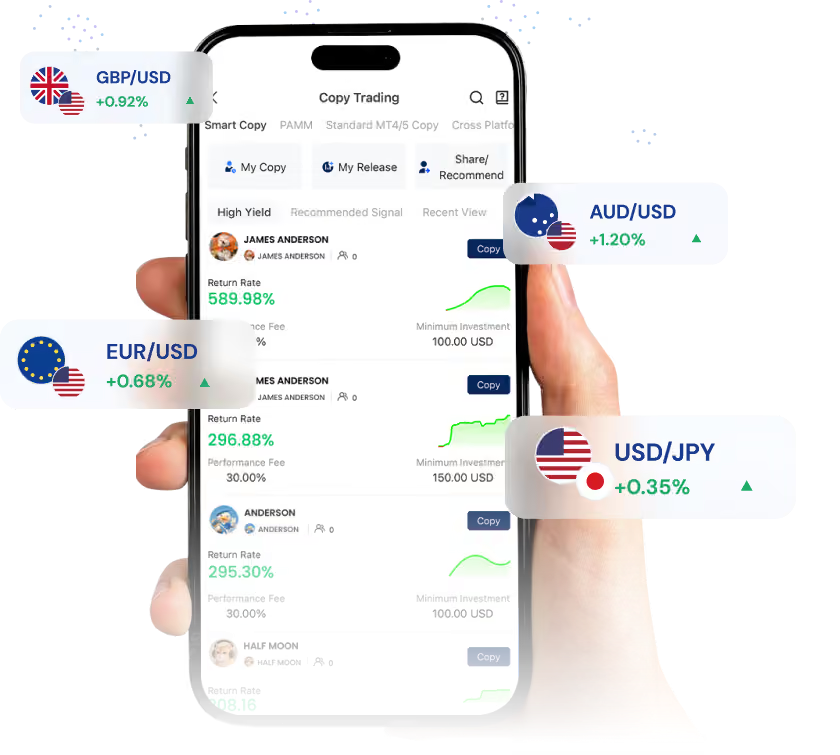
For users exploring copy trading platforms for beginners, setting an allocation budget in advance can provide a clearer framework for managing risk. Rather than deciding how much to invest based on a trader’s recent performance, a predefined budget encourages more disciplined and realistic decision making. GTCFX provides a copy trading service where users can review trader profiles, select a strategy, allocate capital, and monitor performance through their account dashboard.
Why Set a Budget Before Choosing a Trader?
A common mistake among new copy traders is selecting an attractive strategy first and deciding how much money to commit afterward. Strong historical returns can influence how users perceive a strategy, particularly when a strategy appears to have performed well recently.
Setting a budget before reviewing individual traders helps separate capital planning from performance expectations. The amount allocated should reflect the user’s overall financial situation, trading objectives, experience, and tolerance for potential losses.
This approach also makes it easier to avoid committing an excessive portion of available funds to one strategy. Copy trading does not eliminate market risk, and past performance cannot guarantee future results.
How Much Capital Should You Allocate?
There is no universal amount that is appropriate for every trader. A suitable allocation depends on factors such as available investment capital, financial obligations, experience, and risk tolerance.
Beginners may find it useful to start with an amount they are comfortable monitoring and potentially losing rather than committing a large portion of their trading capital immediately. The purpose is not to find a fixed percentage that works for everyone, but to establish a limit before trading begins.
Users should also distinguish between money available for trading and money required for everyday expenses, emergency savings, or other financial commitments. Capital needed for essential expenses should not be used for leveraged trading.
GTCFX warns that copy trading involves significant risk and may not be suitable for all investors. The company recommends considering financial circumstances, investment objectives, trading experience, and risk tolerance before using the service.
Consider the Strategy’s Risk Alongside Its Returns
Budgeting should not be based solely on how profitable a trader has been. A strategy with high historical returns may also have experienced substantial drawdowns or use more aggressive position sizing.
When evaluating a trader on a copy trading platform, users should consider the length of the trading history, historical drawdown, trading frequency, instruments traded, and general trading style. These factors can provide additional context around the reported performance.
For example, two traders may generate similar returns while taking very different levels of risk. One may use relatively conservative positions, while another may rely on larger exposures that can produce bigger fluctuations in account value.
Understanding this difference can help users decide whether a strategy deserves a larger or smaller allocation within their predetermined budget.
Should Beginners Allocate Capital to Several Traders?
After establishing an overall budget, users may consider whether to allocate it to one trader or divide it among several strategies. Diversification can reduce dependence on a single strategy, but adding more traders does not automatically reduce risk.
If several traders use similar instruments or trading methods, their results may respond similarly to the same market conditions. Beginners should therefore focus on understanding the characteristics of each strategy rather than simply increasing the number of traders they follow.
GTCFX allows users to browse trader profiles and review performance and trading styles before selecting a strategy. This gives users an opportunity to evaluate available information before deciding how to allocate their capital.
Create Rules for Monitoring Your Allocation
Setting a budget is only the first part of responsible copy trading. Users should also establish clear rules for reviewing their allocation.
For example, traders can decide how frequently they will evaluate performance, what level of drawdown would prompt a reassessment, and whether they will increase or reduce capital after significant changes in strategy behavior.
This prevents decisions from being driven entirely by short term gains or losses. A strategy may experience a temporary period of weaker performance without necessarily becoming unsuitable, while a change in trading behavior may require closer attention even when returns remain positive.
GTCFX provides monitoring functionality that allows users to track results and manage their allocations after activating a copied strategy.
Understand the Limits of Copy Trading
A copy trading service can automate trade replication, but it does not transfer responsibility for financial decisions to the platform or strategy provider. GTCFX states that it does not create, endorse, recommend, or guarantee the performance of strategies available through its copy trading system. Any decision to follow a strategy remains the user’s own responsibility.
This distinction is particularly important for beginners. Automated execution may reduce the need to manually place every trade, but users still need to understand how much capital they are committing and what risks they are accepting.
Start With a Budget, Not a Performance Target
A sensible copy trading approach begins with capital management rather than a target return. Before choosing a trader, determine how much you can reasonably allocate, assess the strategy’s risk characteristics, and decide how you will monitor the position over time.
For people comparing copy trading platforms for beginners, these steps can make the selection process more structured and less influenced by short term performance. GTCFX provides access to trader profiles, automated copying, allocation management, and performance monitoring, giving users tools to make their own strategy decisions.
Ultimately, the objective of setting an allocation budget is not to predict profits. It is to establish a level of exposure that fits your circumstances before market movements begin influencing your decisions. A disciplined budget, combined with ongoing strategy review and appropriate risk awareness, can provide a more considered foundation for using a copy trading platform.