High-Side Current Sensing Architecture: Technical Evaluation and Strategic Component Sourcing
Precise current monitoring represents a foundational requirement in contemporary electronic power management systems. From telecommunications infrastructure and industrial motor controls to automotive battery systems, hardware engineers rely on continuous current measurement to safeguard system longevity, maintain energy efficiency, and prevent dangerous overcurrent events.
As electronic control systems become more integrated and compact, securing uninterrupted access to specialized analog components has become equally vital. Leading original equipment manufacturers regularly turn to qualified asia pacific distributors to stabilize their supply lines, reduce regional allocation bottlenecks, and support resilient volume manufacturing cycles.
Bridging high-accuracy analog circuit design with dependable global procurement ensures that modern production lines run smoothly without costly engineering delays. This technical analysis explores the architecture of current shunt monitors, outlines critical implementation practices, and provides strategic sourcing methodologies tailored for demanding production environments.
Technical Overview of the INA139NA/3K Current Sense Amplifier
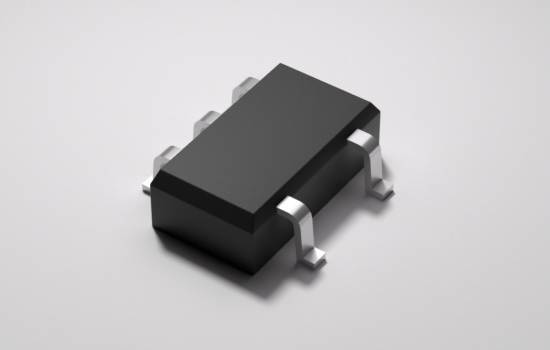
Manufactured by Texas Instruments, the featured device is a high-side unipolar current shunt monitor engineered for space-constrained circuit topologies. Packaged in a compact five-pin SOT-23 enclosure, the integrated circuit combines an internal precision operational amplifier with an integrated bipolar transconductance conversion stage.
The device enables current measurement across shunt resistors placed at input voltages ranging from 2.7V to 40V. This wide common-mode voltage range functions independently of supply rails, offering valuable design freedom when routing power distribution networks across complex assemblies.
Operationally, the monitor senses the differential voltage developed across an external shunt resistor and converts it into a proportional current output. By transforming differential input millivolts into microamperes, the internal circuitry rejects common-mode noise that frequently disrupts standard operational amplifier configurations.
System gain is customized by connecting an external load resistor between the output terminal and circuit ground. This single-resistor scaling simplifies analog-to-digital converter matching, enabling engineering teams to adapt dynamic input sensitivity to specific microcontroller or signal processor requirements.
Circuit Design Principles and Board-Level Implementation
Selecting an optimal current sense resistor requires balancing measurement accuracy against acceptable circuit power dissipation. A higher resistance generates a stronger differential voltage that minimizes offset errors, whereas a lower resistance minimizes insertion losses and limits unwanted thermal rise along the main power bus.
In battery management applications, the INA139NA/3K features a typical quiescent current of 60 microamperes, with a maximum specified value of 125 microamperes. The device offers a bandwidth of 440 kHz with a 10-kΩ output resistor, while a 20-kΩ resistor results in a bandwidth of 220 kHz.
Board layout practices exert a major influence on precision analog measurement performance. Hardware designers must implement Kelvin sense connections, routing dedicated differential traces directly from the interior of the shunt resistor solder pads to prevent copper trace resistance from introducing substantial voltage measurement errors.
Careful physical isolation of the analog output trace from adjacent high-frequency switching nodes is equally important. Incorporating a basic RC low-pass filter at the analog-to-digital converter input helps suppress pulse-width modulation ripple and high-frequency switching spikes generated by nearby power converters.
Supply Chain Dynamics Across Asia Pacific Distributors
The Asia-Pacific region functions as the core hub for semiconductor packaging, printed circuit board assembly, and system integration. Regional procurement ecosystems play a decisive role in determining component availability, pricing stability, and production schedules for global equipment manufacturers.
Specialized analog ICs routinely face lead-time volatility caused by foundry capacity constraints and raw material allocations. When factory delivery windows extend unexpectedly, procurement teams must utilize agile sourcing channels to prevent expensive factory downtime and maintain production commitments.
Addressing these complex supply constraints, UniBetter distributes a wide range of electronic components across commercial, medical, industrial, and automotive manufacturing sectors. Aligning with an experienced independent distributor allows hardware enterprises to secure hard-to-find components and maintain production continuity despite volatile market shifts.
Consolidated logistics centers situated in strategic hubs such as Hong Kong and Singapore streamline international shipping logistics. These facilities enable electronics manufacturers to bundle component consignments, conduct pre-shipment inspections, and significantly reduce freight transit times across major multinational assembly destinations.
Authenticity Verification and Quality Control Protocols
The prevalence of counterfeit electronic components in unvetted secondary markets introduces severe vulnerabilities into electronic supply chains. Substandard clones, re-marked integrated circuits, and refurbished parts can lead to erratic board-level performance, costly product recalls, and severe long-term reputational damage for brand owners.
To mitigate quality risks, UniBetter sources and procures electronic components from franchised sources to guarantee 100% authentic, quality-assured and brand-new electronic components. Strict vendor qualification protocols and traceable supply documentation eliminate the threat of suspect materials entering the manufacturing pipeline.
When production schedules call for the INA139NA/3K in reel packaging, verifying authentic manufacturer packaging and complete lot traceability is imperative. Genuine components ensure uniform electrical performance, reliable solderability during surface-mount assembly, and compliance with stringent environmental standards such as RoHS and REACH.
In-house laboratory screening provides an essential safeguard for high-reliability applications. UniBetter operates a 2,000-square-meter testing center staffed by more than 15 quality engineers. Following its proprietary CSD Quality Management System, the company implements a rigorous three-level inspection process covering packaging and labeling inspection, visual inspection, and X-ray, decapsulation, and electrical performance testing to ensure the quality and reliability of electronic components before delivery.
Cost Optimization and Strategic Inventory Procurement
Managing fluctuating bill-of-materials costs requires an analytical approach that extends beyond immediate spot purchases. Strategic procurement teams analyze pricing history, negotiate scheduled releases, and consolidate multi-line orders to shield their corporate operating margins from sudden spot-market surcharges.
The primary service strength of Unibetter lies in supporting customers to locate needed electronic components and acquire them at lower costs through comprehensive global sourcing networks. This dual focus on procurement intelligence and financial efficiency enables technology manufacturers to maintain healthy margins.
By coordinating with vetted asia pacific distributors, procurement departments achieve balanced inventory buffers and mitigate buffer stock deficits. Structured inventory agreements and safety stock staging protect factory operations against sudden demand surges, ensuring predictable output across shifting economic cycles.
Engineering Success Through Resilient Sourcing
Integrating high-precision current sensing devices into modern electronic designs requires close synergy between technical hardware engineering and proactive procurement management. High-performance monitor ICs deliver vital system telemetry and fault protection, establishing the operational stability necessary for sophisticated modern power systems.
Simultaneously, building disciplined, transparent supply relationships ensures that critical components arrive on schedule with verified authenticity. By combining rigorous engineering implementation with dependable sourcing execution, manufacturing organizations protect their commercial reputations, optimize procurement budgets, and drive sustainable market success.