
Why Investing in Mutual Funds and Tracking Markets on One Platform Is the Future
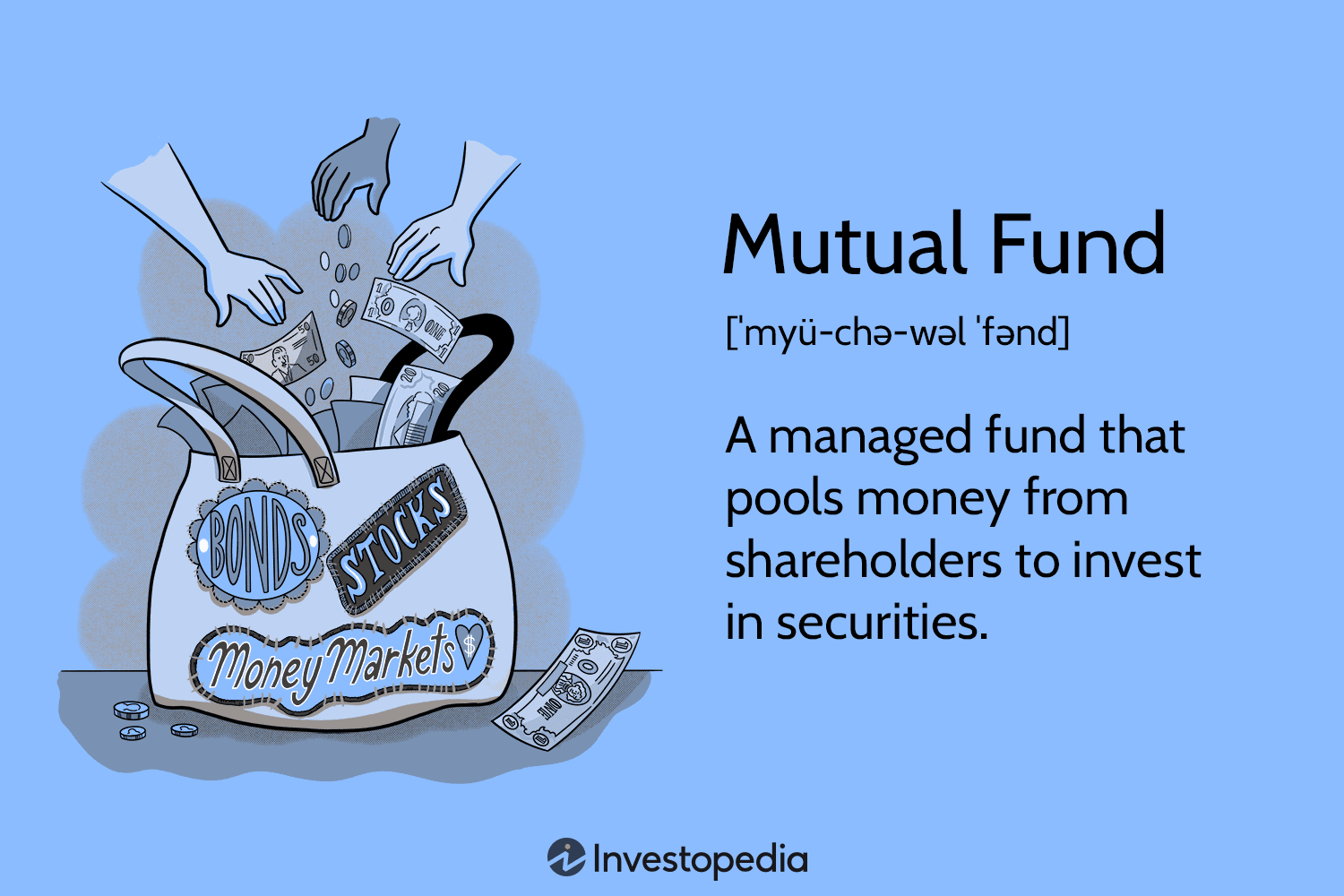
A shift has been quietly building in how people manage money, and it rarely gets announced with any fanfare. Fewer investors are willing to accept a world where checking a fund’s performance and watching the stock market require two entirely separate places to look.
The Old Way Is Already Fading
For years, mutual funds lived in one corner of someone’s financial life, often through a fund house’s own portal, while stock trading happened somewhere else entirely through a separate broker account. That split made a certain amount of sense when each product had its own dedicated infrastructure, but it never really made sense from the investor’s side of the screen, where a portfolio is just a portfolio, not two disconnected halves. Maintaining two separate mental models of the same money was never really the point, it was simply how the industry happened to be built.
What’s Actually Replacing It
Platforms are increasingly built to handle both sides of that equation together. Someone who wants to invest in mutual funds no longer needs a separate login just for that purpose, since modern platforms let stocks and funds sit inside the exact same account, viewed through the exact same dashboard. This convergence isn’t just a convenience feature bolted on for marketing, it reflects how people actually think about their own money: as one pool, not several disconnected accounts.
Why This Convergence Actually Makes Sense
Fund houses and brokers used to operate as genuinely separate industries, each with its own technology and its own customer relationship. As digital infrastructure matured, maintaining that separation stopped making financial or practical sense for either the platform or the investor. Someone deciding to invest in mutual funds today reasonably expects the same login to also show their stock holdings, research tools, and a returns calculator, all without needing five different apps open at once.
Comparing The Old Split Versus The Emerging Convergence
| Aspect | The Old Separate Approach | The Emerging Unified Approach |
|---|---|---|
| Account structure | Separate logins for funds and stocks | One account covering both |
| Portfolio visibility | Manually combined across sources | A single consolidated dashboard |
| Research access | Scattered across different providers | Centralised within one platform |
| Starting point | Different onboarding for each product | One KYC process covering both |
What This Actually Looks Like In Practice
A platform built around this convergence typically lets someone open one account, complete KYC once, and then move freely between researching a stock and choosing to invest in mutual funds without switching context entirely. SIPs, lumpsum purchases, and direct equity trades all show up together, letting an investor judge overall risk exposure honestly rather than mentally combining numbers from separate sources.
The Tool Making This Shift Possible
None of this convergence works without a genuinely capable stock market app sitting underneath it. A modern stock market app needs to handle live equity pricing and order execution just as comfortably as it handles mutual fund research, SIP scheduling, and a returns calculator. Choosing a stock market app that treats both product types as equally important, rather than favouring one over the other, tends to separate genuinely unified platforms from ones that simply bolted a mutual fund tab onto an existing stock trading app.
Getting Ahead Of This Shift
Investors who move to a unified platform early tend to build better habits simply because friction drops so dramatically. Checking a portfolio becomes a single glance rather than a small research project across multiple tabs, and that ease alone tends to encourage more consistent SIPs and more regular portfolio reviews than a fragmented setup ever did.
Bringing It All Together
The direction this is heading seems fairly clear: fewer separate accounts, fewer scattered logins, and a growing expectation that a single stock market app should comfortably handle everything from direct equity trades to helping someone invest in mutual funds without missing a beat. What used to be two separate corners of financial life are quickly becoming one, and that convergence looks less like a passing trend and more like where things were always headed all along.